
US and India Reach Deal to Lower Tariffs
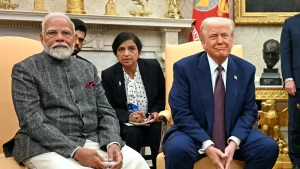
The United States and India have reached a preliminary trade agreement that could significantly lower tariffs on bilateral goods, according to comments from Donald Trump.
Trump said the U.S. plans to reduce country-specific reciprocal tariffs on Indian imports from 25% to 18%, while also eliminating an additional 25% tariff tied to India’s purchases of Russian oil, a White House spokesperson confirmed.
 Key elements of the proposed US–India tariff agreement
Under the terms outlined by Trump:
-
The U.S. would lower reciprocal tariffs on Indian goods to 18%
-
A separate Russia-related oil tariff on India would be removed
-
India would cut tariffs and non-tariff barriers on U.S. imports to zero
-
India would halt purchases of Russian oil
-
India would commit to buying more than $500 billion worth of U.S. products across energy, technology, agriculture, and coal
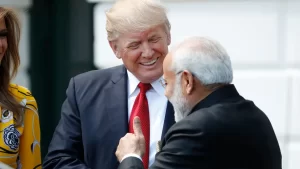
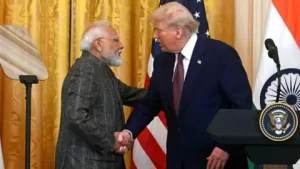
Trump said the agreement was reached with Indian Prime Minister Narendra Modi, though no official documentation has yet been released by the White House.
Strategic importance — but execution remains uncertain
Trade experts say the potential deal could be strategically significant if finalized. Pete Mento, director of global trade advisory services at Baker Tilly, noted that many companies have long anticipated lower tariffs on Indian imports.
However, Mento cautioned that public announcements alone do not guarantee real change.
“Implementation is where it becomes real,” Mento said, adding that clarity will come only after formal government filings and regulatory updates are published.
 Part of a broader US tariff strategy
A finalized agreement with India would be the latest in a series of tariff-related negotiations pursued by the Trump administration over the past year. Under its reciprocal tariff policy, the U.S. has reached framework deals with several major trading partners, including the European Union, Japan, and South Korea.
Still, uncertainty surrounds some of those agreements. Earlier this year, the European Union temporarily suspended its tariff pact with the U.S. following tariff threats tied to geopolitical disputes, while South Korea’s framework deal has faced renewed scrutiny after Trump signaled potential duty hikes over alleged non-compliance.
What it means for shippers and importers
If formally implemented, the US–India tariff deal could:
-
Lower landed costs for India-origin imports
-
Reduce trade friction in energy and industrial supply chains
-
Reshape sourcing strategies for U.S. companies active in South Asia
For now, businesses are watching closely — waiting for official filings, regulatory guidance, and confirmation that the proposed tariff cuts will move from announcement to enforcement.