
U.S.–Taiwan Trade Deal Sets 15% Tariff Cap, Expands Agricultural and Semiconductor Cooperation
The United States and Taiwan have reached a new reciprocal trade agreement that caps U.S. tariffs on Taiwanese goods at 15%, while reducing trade barriers for American agricultural and industrial exports.
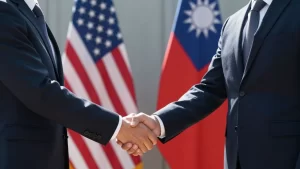
15% Tariff Cap on Taiwan Imports
Under the agreement:
-
The U.S. will impose no more than a 15% tariff on imports from Taiwan.
-
The cap combines Most Favored Nation (MFN) duties and reciprocal tariffs.
-
Certain agricultural products will receive exemptions from reciprocal tariffs, consistent with previous adjustments made by the Trump administration.
The 15% tariff ceiling mirrors the rate outlined in a trade and investment pact signed last month. However, it remains unclear whether this latest agreement replaces or modifies the earlier deal.
Taiwan to Reduce Tariffs on U.S. Goods
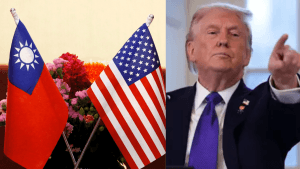 In return, Taiwan committed to:
-
Lower most tariffs on U.S. exports
-
Provide preferential market access for American agricultural and industrial goods
-
Expand imports of U.S. automobiles and auto part
According to the Office of the U.S. Trade Representative, Taiwan will also purchase nearly $85 billion in U.S. goods by 2029, including:
-
Liquefied natural gas (LNG) and crude oil
-
Civil aircraft and aircraft engines
-
Power-generation and steel-making equipment
Expanded Agricultural Market Access
Taiwan agreed to establish regulatory frameworks that facilitate imports of:
-
U.S. beef, pork, poultry and bison
-
Processing potatoes
Additionally, Taiwan will recognize U.S. safety standards for:
-
Motor vehicles
-
Medical devices
-
Pharmaceuticals
These steps are expected to streamline trade flows and reduce regulatory friction.
Semiconductor and Critical Mineral Cooperation
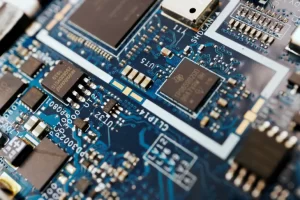 The agreement strengthens collaboration in semiconductors and critical minerals, two sectors vital to supply chain security.
Key provisions include:
-
Preferential treatment for Taiwanese goods under U.S. Section 232 semiconductor levies
-
Increased bilateral investment cooperation in high-tech manufacturing
Digital Taxes, Export Controls and Compliance Measures
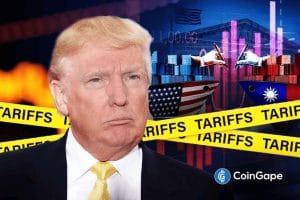
Taiwan further committed to:
-
Refrain from imposing value-added taxes (VAT) or digital service taxes
-
Strengthen environmental, labor and intellectual property protections
-
Align with U.S. export control policies
-
Address unfair trade practices involving third-country-controlled firms operating in Taiwan
Both sides will also implement a new customs cooperation agreement aimed at preventing duty evasion and enhancing trade compliance.
Why This Matters
The U.S.–Taiwan trade agreement stabilizes tariff exposure at 15%, expands market access for U.S. agriculture and manufacturing, and deepens cooperation in semiconductors and strategic supply chains.
For businesses, the deal reduces tariff uncertainty while creating new export opportunities in energy, aviation, automotive and high-tech sectors.