
Trump Signals Possible Tariff Increase on South Korean Imports, Raising Risks for Global Supply Chains
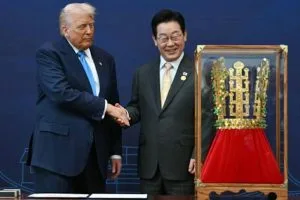
The U.S. may raise tariffs on South Korean goods to 25%, including cars and pharmaceuticals. Learn what this could mean for global trade, logistics costs, and supply-chain planning.
The United States may soon increase tariffs on imports from South Korea, a move that could have significant implications for global trade flows and supply-chain operations.
U.S. President Donald Trump said Monday that he plans to raise tariffs on South Korean goods to 25%, up from the current 15%, citing delays in South Korea’s implementation of a previously agreed framework trade deal. The announcement was made via a post on Truth Social, though no timeline or formal documentation has yet been released by the White House.
What’s driving the proposed tariff hike
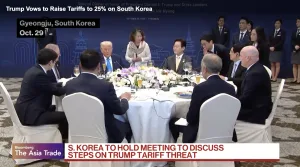 The U.S. and South Korea reached a framework tariff agreement in July last year, with key provisions formalized in November. Under the deal, South Korea committed to easing restrictions on U.S. car imports, reducing non-tariff barriers on food and agricultural products, and investing $350 billion in the U.S., including $150 billion earmarked for shipbuilding.
However, South Korea’s National Assembly has not yet passed the legislation needed to fully enact the agreement. While some investment commitments have been reflected in the country’s 2026 budget, the broader legal framework remains unapproved—prompting the U.S. to signal potential retaliatory action.
Industries and cargo types most affected
If implemented, the higher tariff rate would apply to a wide range of goods, including:
-
Automobiles and auto parts
-
Lumber, timber, and wood products
-
Pharmaceuticals
-
Other goods currently covered under Section 232 duties
The earlier agreement capped these tariffs at 15% and limited future sector-specific levies. A move to 25% would directly impact landed costs, sourcing decisions, and cross-border shipping volumes.
Implications for logistics and supply chains
For shippers, importers, and logistics providers, renewed tariff uncertainty increases the need for proactive planning. Higher duties can accelerate:
-
Inventory front-loading ahead of tariff changes
-
Modal shifts to optimize total landed cost
-
Supplier diversification to reduce country-specific exposure
-
Greater demand for bonded warehousing and customs-compliance support
Companies with automotive, industrial, or pharmaceutical supply chains tied to South Korea may need to reassess lead times, pricing strategies, and North American distribution models.
Broader trade context
The U.S. has pursued similar framework trade agreements with partners including Japan, the European Union, and Thailand. However, progress has been uneven. In Europe, efforts to ratify a framework pact were recently paused amid broader geopolitical tensions, highlighting the fragile nature of current trade negotiations.